
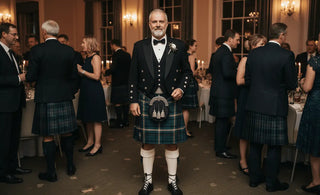
In a world where clothing is increasingly driven by convenience, trends, and global uniformity, the continued choice of the kilt by Scots for meaningful occasions is striking. It is not required. It is not everyday wear for most. And yet, when moments of true importance arrive—weddings, funerals, commemorations, gatherings of cultural weight, and milestones that mark the turning of a life—many Scots still reach for the kilt. This choice is neither nostalgic habit nor empty tradition. It is deliberate, thoughtful, and deeply cultural.
The kilt endures because it offers something modern clothing cannot: depth. It carries memory, identity, restraint, dignity, and continuity all at once. It allows Scots to stand within their heritage without performing it. It communicates seriousness without formality, pride without arrogance, and belonging without explanation. When Scots choose the kilt for meaningful occasions, they are not looking backward. They are anchoring the present.
Understanding why this choice persists requires looking beyond history alone. It requires understanding Scottish values, emotional instincts, family culture, and the quiet ways identity is expressed. The kilt remains because it still serves these needs better than anything else.
Meaningful Occasions Demand More Than Appearance
Not all events are equal. Scots, like all people, instinctively know when a moment deserves more than casual presentation. Meaningful occasions are those that carry emotional weight, social significance, or lasting memory. They mark change—union, loss, achievement, remembrance, continuity.
Modern formal clothing often treats all such moments the same. A suit becomes a universal solution, regardless of context. The kilt, however, distinguishes the meaningful from the routine. Choosing it signals that this occasion is different. It deserves grounding, intention, and respect.
This is why the kilt appears where meaning concentrates. It does not compete with the moment. It supports it.
A Cultural Language That Speaks Without Words
Scottish culture has long valued understatement. Meaning is often conveyed through action rather than speech, through presence rather than performance. The kilt fits this instinct perfectly.
When a Scot wears a kilt, they do not need to explain why the moment matters. Others understand immediately. The garment functions as a cultural language—one that communicates seriousness, respect, and belonging without verbal explanation.
This silent communication is especially important during emotionally complex moments. Grief, pride, and reverence are not always easy to articulate. The kilt allows Scots to express these feelings without forcing them into words.
In meaningful occasions, this quiet clarity matters deeply.
The Kilt as a Marker of Respect
Respect is one of the strongest reasons Scots choose the kilt. Scottish culture places high value on showing respect through behaviour rather than display. Clothing becomes part of this expression.
At weddings, the kilt shows respect for the families involved, for lineage, and for the seriousness of commitment. It situates joy within continuity.
At funerals, the kilt expresses honour for the deceased without drawing attention. It holds grief with dignity, allowing emotion without spectacle.
At commemorations, it acknowledges sacrifice, endurance, and memory. It signals that remembrance is not symbolic alone, but lived.
In each case, the kilt functions as respect made visible. Scots choose it because it communicates the right tone instinctively.
Continuity Across Generations
Meaningful occasions are often intergenerational. Weddings bring elders and children together. Funerals gather extended families. Cultural gatherings reunite communities across age and distance.
The kilt thrives in these settings because it creates visual continuity. The same tartan appears on different generations, reminding everyone present that this moment exists within a longer story.
Many Scots associate kilts with parents, grandparents, and family milestones. Wearing a kilt can feel like carrying those people into the present moment. It allows memory to stand beside the living.
This generational continuity is deeply comforting. It reassures people that identity does not end with individuals. Scots choose the kilt because it reinforces that reassurance.
A Connection to Land and Origin
Scottish identity is inseparable from land. Hills, glens, weather, and distance shaped not only livelihoods but values—resilience, restraint, community, and realism. The kilt emerged from this environment and still carries its influence.
Choosing a kilt for meaningful occasions reconnects the wearer to origin. Even in cities or modern venues, the garment carries echoes of place. It grounds the moment in something older and steadier than the event itself.
This grounding matters when emotions run high. It gives people something solid to stand on.
Scots choose the kilt because it brings the land—symbolically—into the room.
Dignity Without Excess
Scottish celebrations and commemorations often balance emotion with restraint. Excessive display can feel uncomfortable or insincere. The kilt supports this cultural balance naturally.
It is distinctive, but not flamboyant. It draws attention, but not to the self. It allows pride, but discourages vanity.
This is particularly important in moments where joy and seriousness coexist—such as weddings with deep family history, or celebrations of achievement rooted in long effort. The kilt honours these complexities rather than flattening them.
Scots choose the kilt because it allows dignity without stiffness and celebration without excess.
A Garment That Shapes Behaviour
Many Scots report that wearing a kilt subtly changes how they behave. Posture improves. Movement becomes more deliberate. Awareness increases.
This is not imposed by rules. It emerges from the garment’s cultural weight. Wearing a kilt feels like representing something larger than oneself.
In meaningful occasions, this behavioural influence is valuable. It helps people rise to the moment. It encourages attentiveness and presence.
Clothing that shapes conduct earns respect. Scots choose the kilt because it supports the seriousness of the occasion without enforcing it.
Family Heirlooms and Emotional Weight
For many families, kilts are not interchangeable garments. They are objects of memory. Some have been worn by generations. Others are associated with specific people or moments.
When such a kilt is worn, it carries emotional authority. It becomes a link to those no longer present. It allows remembrance to be lived, not just recalled.
In meaningful occasions, this emotional layering adds depth. The kilt becomes part of the story being honoured.
Scots choose the kilt because it allows them to carry family memory into moments that matter most.
Resilience and Cultural Survival
Scottish history includes periods where cultural expression, particularly Highland identity, faced pressure and suppression. The survival of the kilt through these periods gave it symbolic strength.
Choosing the kilt today carries a quiet acknowledgment of that endurance. It reflects resilience without bitterness. It honours survival without dramatization.
This historical undertone deepens the kilt’s meaning. It reminds Scots that identity was carried forward deliberately, often in difficult circumstances.
In meaningful occasions, this reminder adds gravity. Scots choose the kilt because it embodies endurance.
A Shared Cultural Anchor
Meaningful occasions often bring together people of different views, backgrounds, and experiences. The kilt offers common ground.
Even when Scots disagree on politics, lifestyle, or belief, the kilt remains a shared cultural reference. It creates recognition and mutual respect.
This shared understanding stabilizes gatherings. It helps create a sense of unity without requiring uniformity.
Scots choose the kilt because it anchors diverse groups within a shared identity during moments that matter.
Voluntary Tradition Gives It Power
The kilt’s strength lies partly in the fact that it is chosen. No one is required to wear it. That choice makes it sincere.
Each time a Scot chooses a kilt for a meaningful occasion, they reaffirm its relevance. They demonstrate that tradition remains alive because it is valued, not enforced.
This voluntary renewal prevents the kilt from becoming hollow. It remains connected to real emotion and intention.
Scots choose the kilt because it allows them to participate in tradition honestly.
Modern Life Still Needs Meaning
Despite technological change and modern convenience, the need for meaning has not disappeared. If anything, it has intensified.
Scots still need ways to mark transitions, honour memory, and express belonging. The kilt continues to meet these needs.
It does not compete with modern life. It complements it by providing depth where speed and simplicity often dominate.
Scots choose the kilt because modern life still requires moments of grounding.
Identity Without Performance
Perhaps the most important reason Scots choose the kilt is that it allows identity without performance. It does not require explanation, exaggeration, or justification.
It allows Scots to be fully themselves in meaningful moments—connected to past, present, and future simultaneously.
In a world that often demands self-definition through noise, the kilt offers a quieter way.
Conclusion
Scots still choose the kilt for meaningful occasions because it continues to serve real cultural, emotional, and social functions. It expresses respect, anchors memory, reinforces continuity, shapes behaviour, and communicates belonging without words. It balances dignity and celebration, pride and restraint, individuality and community.
The kilt endures not because it is old, but because it is useful in the deepest sense. It helps Scots meet life’s most important moments with presence, seriousness, and connection.
When an occasion truly matters, Scots do not ask what is fashionable.
They ask what is fitting.
And time and again, the answer remains the same: the kilt.
I ordered my Scottish Stewart Royal Kilt. Wrong size. It’s a 34-36, my wrist is 32 inches.
Will your organization be at the Scottish Fair in Orange County, California this coming weekend? If so, is it possible to exchange it for a smaller wrist size. I’ll be there on Sunday May 23, 2026
Robert E Smith of San Pedro, California. (424) 339-7007. sanpedrophoto@yahoo.com